What’s the Point in Looking Back?
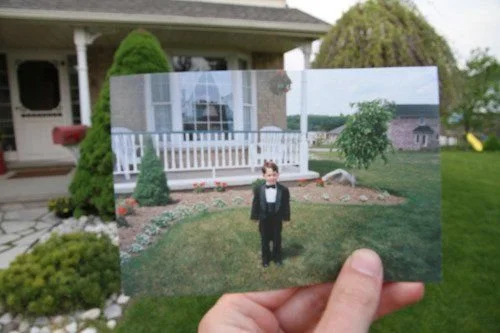
When the topic of therapy comes up, there are sure to be varied reactions and often strong opinions that surface. Some love therapy, some find it tedious, some are curious, and many have (valid) questions. One of them (understandably) questions if talk therapy is really helpful or just indulgent. They wonder if it’s a waste of time to look back on childhood. Some have remarked, “I don’t see the point in sitting there and talking about the past. The past is in the past. Leave it there and move forward”. In these words, I hear them saying “Life is too short to dwell on the past. Why waste the time?”
And in part, I agree with them. I’m a proponent of appreciating the present moment, enjoying your life, and moving forward without having to shoulder the heaviness of our emotional woundings. However, I believe that to truly enjoy our lives, to live from a place of real peace, we have to sit with the pain as much as the joy. Unfortunately, this is the human condition.
Processing Emotional Pain
When I think about processing my own pain and life experiences, I often remember a chapter from The Untethered Soul, in which author Michael Singer explores a metaphor for dealing with emotional pain. He compares emotional wounding with getting a painful thorn stuck in your arm and explains there are two paths to take when this happens. One path includes noticing how much distress this thorn causes, and avoiding contact with the wound at all costs. Don’t touch it, don’t think about it, don’t even do something that might lead you to think about it. Of course, doing so is not so easy. You’d need to be careful not to go anywhere that the thorn might get brushed against and avoid getting close to anyone who might bump into it. You’d need to arrange your life in such a way that the thorn never gets acknowledged—sleep a certain way, eat a certain way, hold your arm a certain way. You might seek out a job or relationship where you never have to use that arm. He posits perhaps you’d even build an apparatus (or many) that protects the thorn. Even if this contraption was a huge inconvenience, requiring tons of maintenance, at least the thorn would go undisturbed.
Ironically, by avoiding any contact with or reminder of the wound, its presence had actually taken over your life. Working so hard to protect yourself from the pain would end up costing a lot—your freedom, your energy, and your peace.
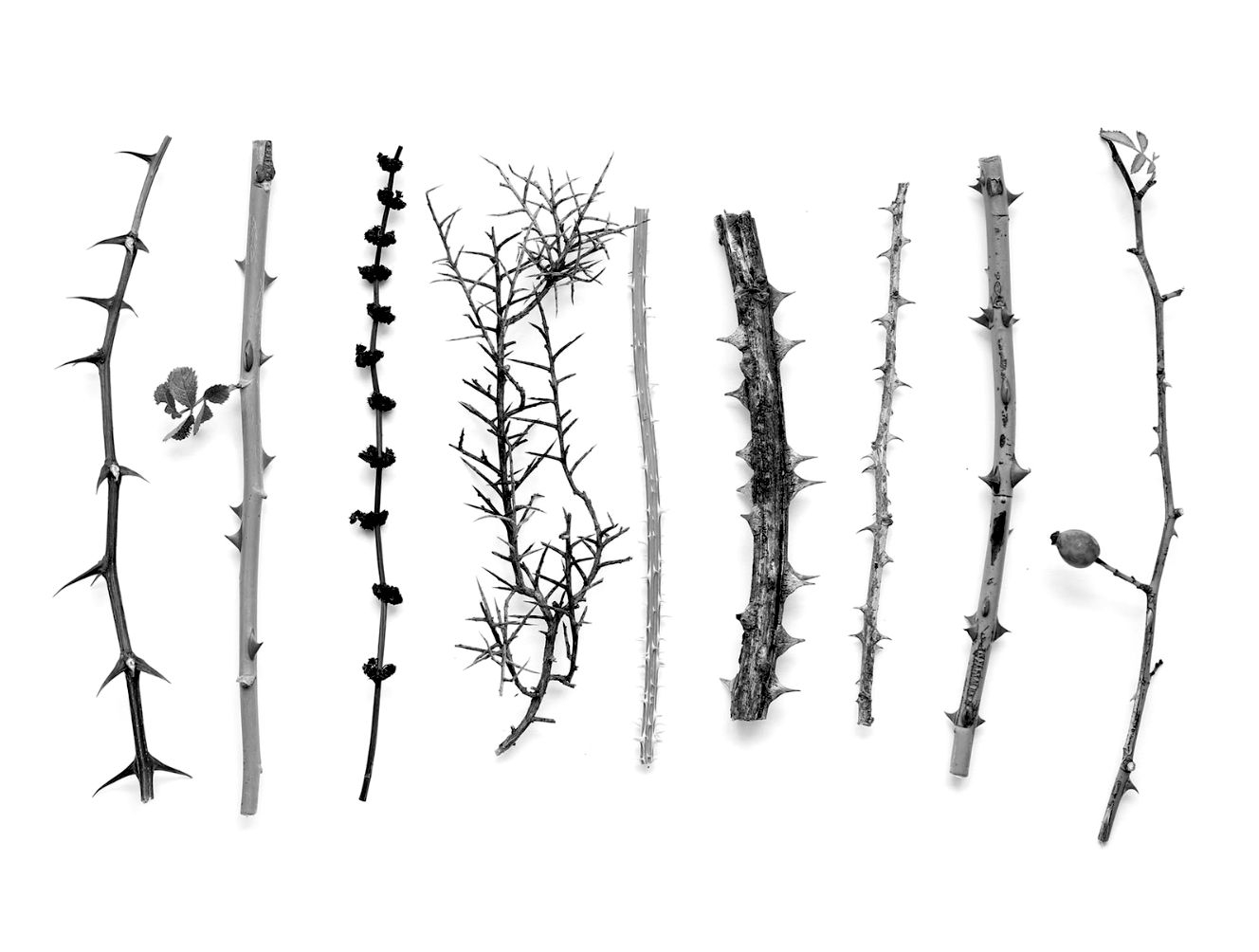
Of course, the second path also entails noticing how much pain the thorn causes you. But instead of avoiding the pain, you address it. You allow yourself to acknowledge its presence so you can release it and move forward. No need to adjust your entire life, making countless choices to accommodate this one thorn. The same is true of emotions. What if we could simply sit with the hard feelings? The hard truth? It might not be so scary after all.
I love the absurdity of Singer’s metaphor. It’s a confronting and painfully accurate description of how us humans tend to live. Most of us move through life making adjustments in some way, to avoid acknowledging something difficult.
So understandable. And so human.
How Therapy Helps
Many of us come to therapy with the apparatus already in place. We don’t remember building it and we barely even see it anymore. But we know we’re in pain, and lugging this thing around is starting to feel heavy.
In my experience, taking the second path (addressing the truth) not only tends to be less threatening than we anticipate, it’s far more productive, enlivening, and empowering. It opens us up to live with greater ease and to actually move forward.
Therapy for Adult Children of Emotionally Immature Parents
As a psychodynamic and depth-focused therapist who specializes in treating adult children of emotionally immature parents, a large part of my work is helping clients reflect on their early life experiences. We look back at how childhood felt, relationships with caregivers, all the ways they learned to adapt and please others, and the parts of themselves they had to hide in order to feel safe and loved. Some clients come to therapy with awareness of how emotionally immature their parents were/are, and other just know something didn’t feel quite right. A part of them knew they shouldn’t have had to caretake, accommodate, hide, or feel so unseen. And yet, this became normalized. They learned to live with the thorns because they had to.
By exploring early life, adult children of emotionally immature parents can gain even more awareness and understanding of their lived experience. From an adult perspective, they can look back with a completely new take on things. With time and distance, they can allow themselves to feel things that weren’t safe to feel as a kid. Or acknowledge feelings they didn’t have words for at the time.
Further, clients can do so in the presence of a compassionate, attuned therapist who deeply understands dysfunctional family dynamics and its effects on a person.
Is therapy just a lot of talking?
It’s safe to say, talk therapy includes talking. But the words are merely a conduit to much deeper work. When we take time to sit with our experiences, our feelings, and our wounds, something interesting happens. We start to make contact with something beneath the memories and stories themselves, beyond our personal struggles and daily frustrations. We tap into a part of ourselves that holds incredible wisdom, showing us the patterns and beliefs (about ourselves, others, and the world) that unconsciously play out in our lives.
Often we find these patterns and beliefs showing up in relationships, at work, and at home, and they mirror what we experienced in early life. That’s the mysterious thing about the psyche; it finds ways to show us what still needs healed by reenacting these patterns until we make them conscious. Until we remove the thorn.
Then What?
The thought of mining one’s inner world for some kind of hidden treasure can feel daunting. And it’s only natural to feel wary of the unknown. The good news is, whatever one learns about themselves, no matter how unflattering or uncomfortable…is human. Sitting with the discomfort is part of the process as well. But what comes next is even more powerful—we get to decide what to do with our newfound awareness.
Perhaps this means getting clear on your needs, taking care of yourself, spending time with your inner child, exploring a hobby that feeds the soul, rethinking a relational dynamic, setting a boundary, communicating something, making different choices.
It is my belief that the psyche is a benevolent force, working for us. It wants us to heal, to find wholeness, to connect with our truest, authentic self. It wants us to be free of the emotional thorns that we’ll inevitably bump into.
This is the work of integration and coming home to yourself—a labor of love that is ever unfolding. A labor of love that sets us free.